
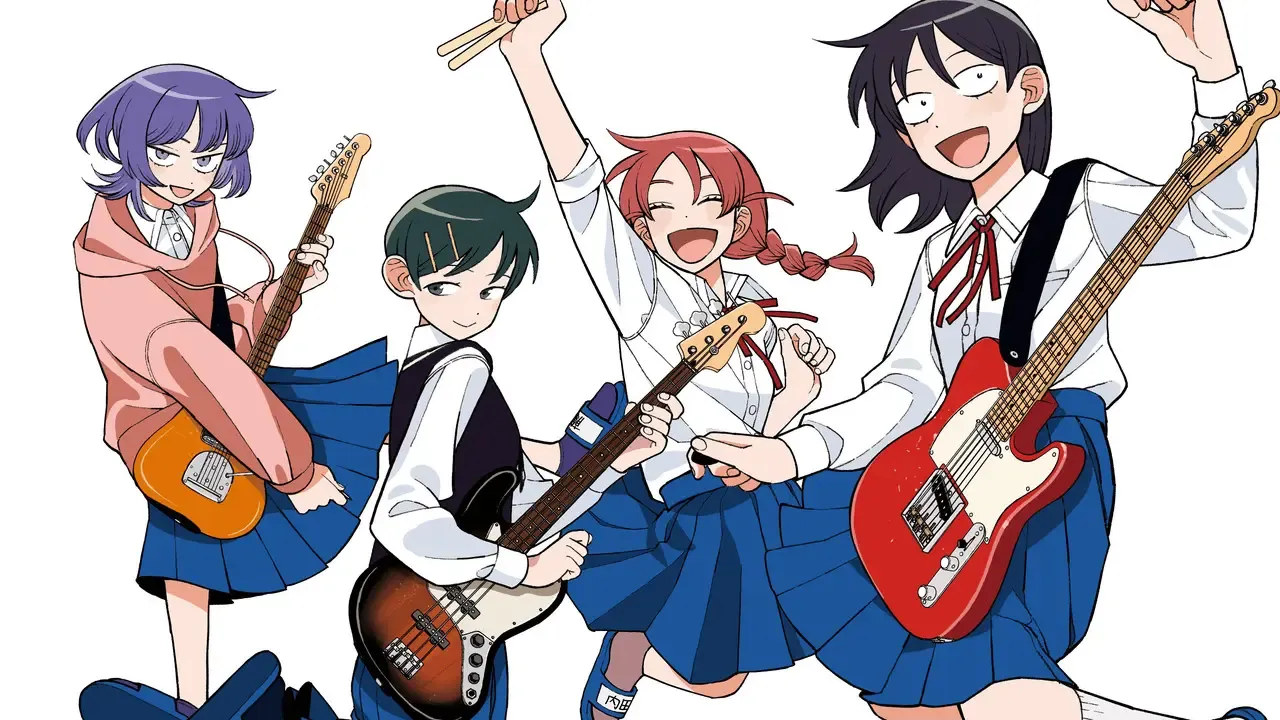
What happens when angsty teenagers finally get a taste of rock music?
Most fans already know that one of the most popular settings in both manga and anime are high schools. It makes sense, as youngsters standing on the brink of the innocence of youth and the maturity of adulthood go through the most changes. Due to biology and society, it is also one of the most volatile and emotional times of their lives, one that shapes them for the future.
However, it’s also true that there’s only so many flowery high school romance stories you could tell before it eventually becomes boring. High school students gaining abilities and fighting all-powerful villains also get old quickly. But that doesn’t mean you can’t enjoy a different flavour of youth. One that might be sullied with jealousy, heartbreak, trauma, and other realistic problems; but manages to make your heart beat faster through the passionate love of…rock music?
Which brings us to the manga we are putting under the spotlight today: Kuwahali’s “Girl Meets Rock!”
Girl Meets Rock! (Futsū no Keionbu)
Author: Kuwahali
Publisher: Shueisha
Reading platform: Shonen Jump+, Manga Plus, Viz Media
What is Girl Meets Rock! about?

Let me paint you an admittedly lackluster picture. You are a 15-year-old teenager, who comes from a broken home with divorced parents. Your father is not very present, and although you want to keep him away from your mind, you can’t help but remember all the time you spent with him listening to various Japanese rock bands. So what do you do when you finally get into high school? Buy an electric guitar and join the Light Music Club of course!
This is the manga’s protagonist: Chihiro Hatono, a 15-year-old high school girl who, despite being quite plain by her own admission, doesn’t want to be a fly on the wall anymore. So she takes up a brand new hobby.
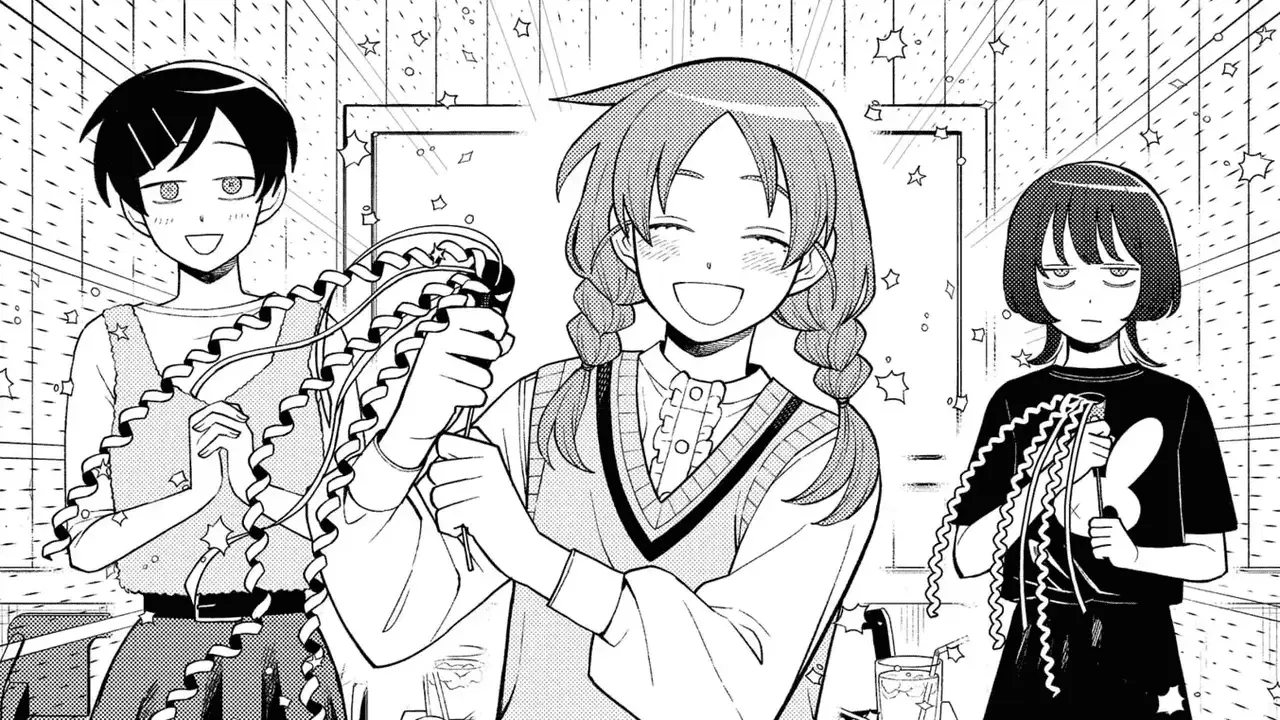
Unfortunately (or fortunately) for Chihiro, things are not as easy as they first seem. She sucks at guitar, and the first band they form within the club falls apart quickly. But one day, her bandmate and bassist Rin Koyama catches Chihiro singing her soul out. Instead of laughing at her intense belting, Rin ends up completely devoted to Chihiro, and thinks that she is a god that needs to transcend beyond a mere high school band.
Soon, thanks to Rin’s involvement, two more girls join their band. The popular drummer, Momo Uchida, and the cynical guitarist, Ayame Fuji. Together, they form Heartbreak, a band as inexperienced and green as its members, with Chihiro Hatono as the centre, singing to her heart’s desire for the first time.
But of course, things are never smooth sailing when you are a teenager trying to do something. Chihiro and the others often face school politics, unsuccessful romance, jealousy, rivalry, and all the things that make up a vibrant high school life.
Although a lot of the students don’t take the Light Music Club seriously, there are some who are trying to resolve their trauma through it. They belt out notes and riff on their guitars at the face of life as if to show it who is boss. And through all these viciously human emotions, Kuwahali makes us fall in love with the characters and with Japanese rock music.
Why does Girl Meets Rock! resonate with readers?
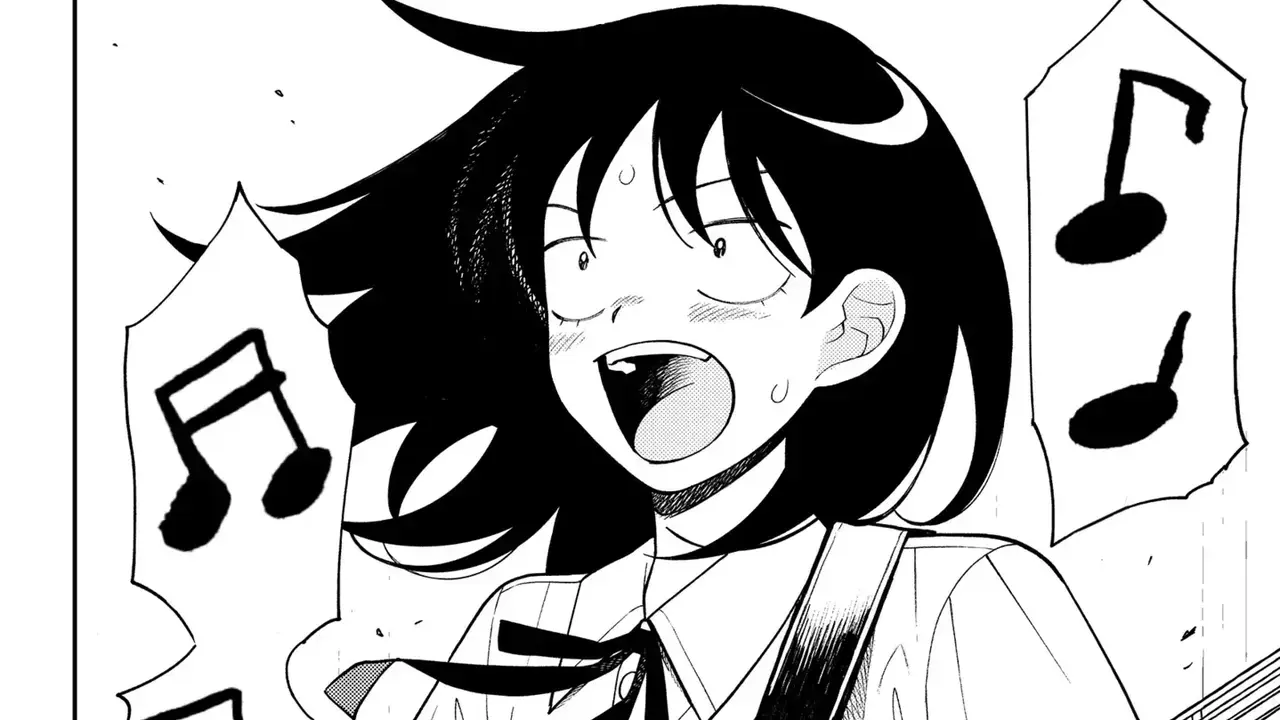
When it comes to stories based around a high school, specifically a club, things can sometimes feel too farfetched and removed from reality. There is, of course, beauty in letting the plot run wild and not focusing too much on being realistic. Girl Meets Rock! balances perfectly between the two.
The characters are grounded, their worries realistic and often heartwrenching. From divorced parents, to losing a beloved big brother to a dream he isn’t good enough to achieve, from seeing your older crush get married to someone else, to seeing your best friend slowly walk into a dark path you can’t get him back from–their stories are varied and weigh heavily on their psyche.
It’s not just the backstories; the way these teenagers deal with their problems also doesn’t seem too far-fetched.
Some of them try to live a good life with their friends and family, while others try to mask their pain by putting on a different persona. There is jealousy, frustration, pain, laughter, and love all rolled into a club that gives them what they need–a platform to vent. A place where they can revel in their rivalries and turn their worries into songs, screaming them into the void.
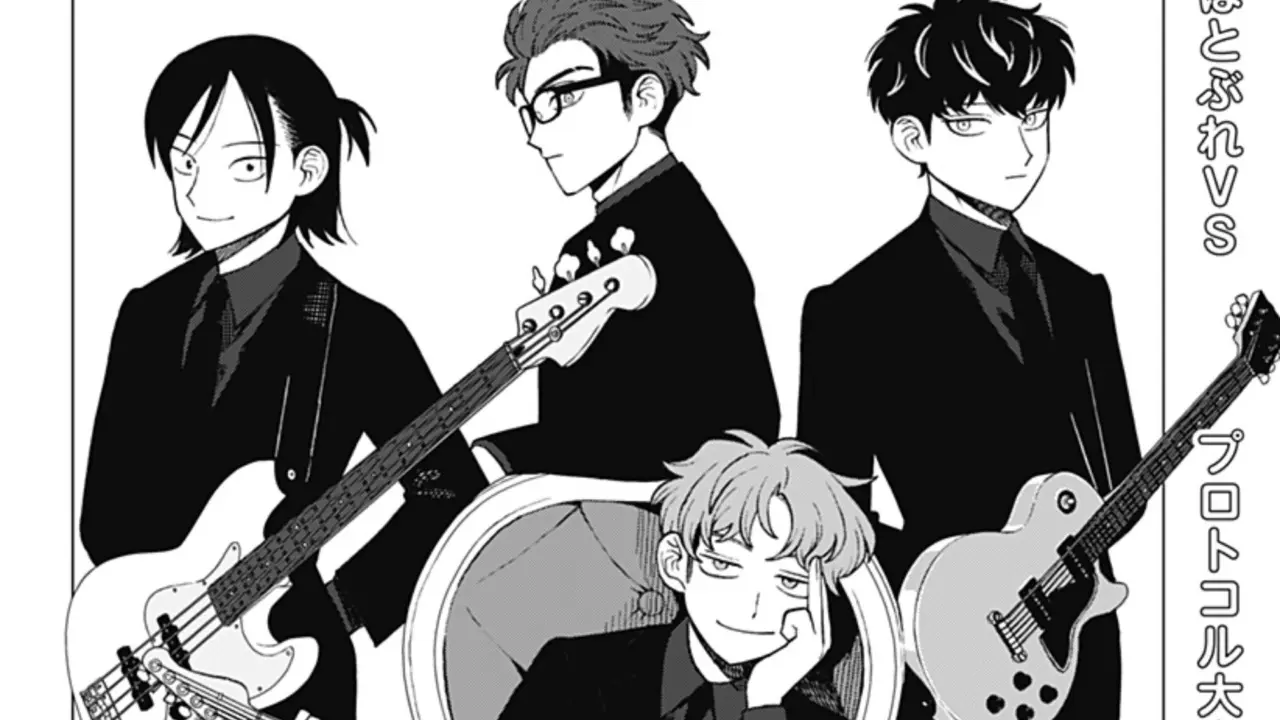
One of the best examples would be Koki Takami, who started singing because it’s something his big brother loved.
Koki is extremely talented, but often looks down on people who try too hard to be better, like Chihiro. Although his character isn’t exactly lovable, you understand his personality a lot more when you learn how intertwined his outlook is with his brother, a singer with grand dreams but not enough talent to make it into the big leagues. People who don’t have talent but try anyway remind him of his brother, and he can’t help but resent them for it. So he tries his hardest to undermine Chihiro, and is consequently blown away by her loud and earnest voice, even when it’s not always perfect.
Earnestness is what makes this series so fun to read. It’s not about being the perfect dream boy or the flawless heroine of a love story: it’s about having the courage to tell the world that you exist, that no matter how many times life throws you a curveball, you will face it head on. Standing on the fleeting line between youth and adulthood, these teenagers do what they are supposed to do–enjoy their time wholeheartedly through music.
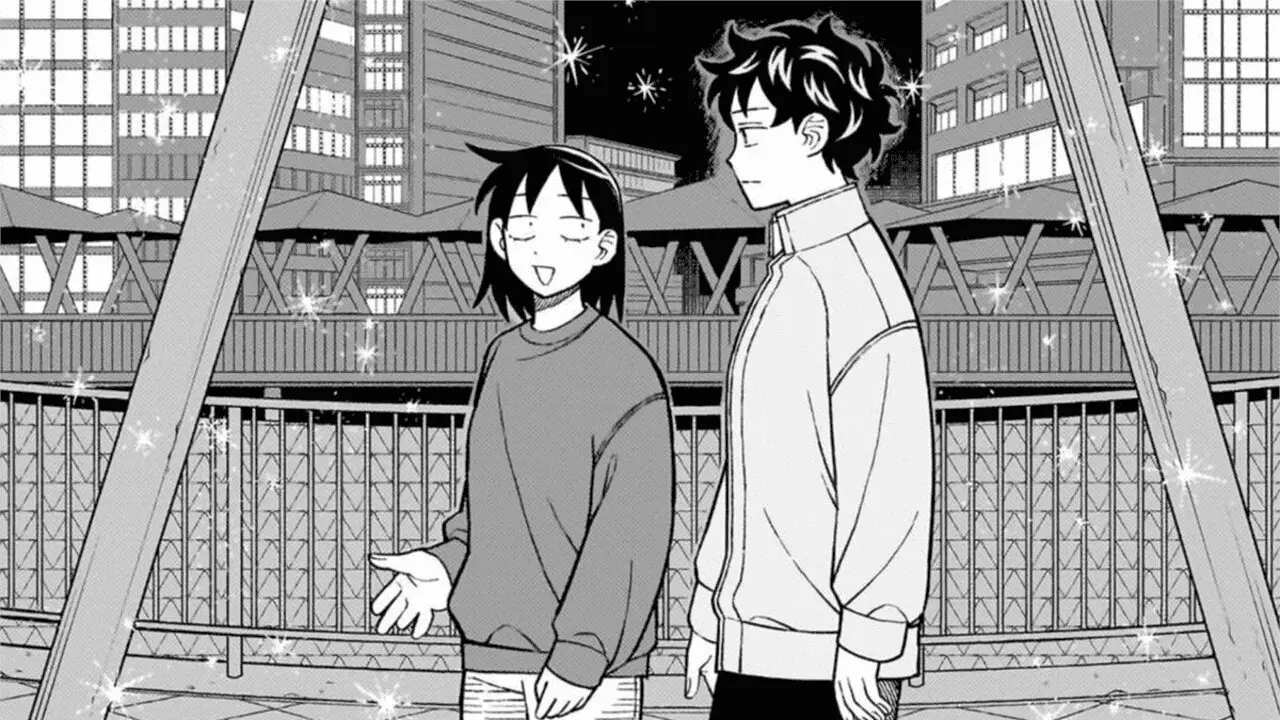
Another very important theme of the manga is friendship. Despite the differences in their personalities, goals, and ambitions; bandmates become friends that you can't live without. We can see this in Heartbreak, where everyone tries to support one another even when they don't completely understand their situation. Chihiro's friendship with Mizuno, which eventually turns into a crush, is also adorable!
What role does music play in “Girl Meets Rock!”?
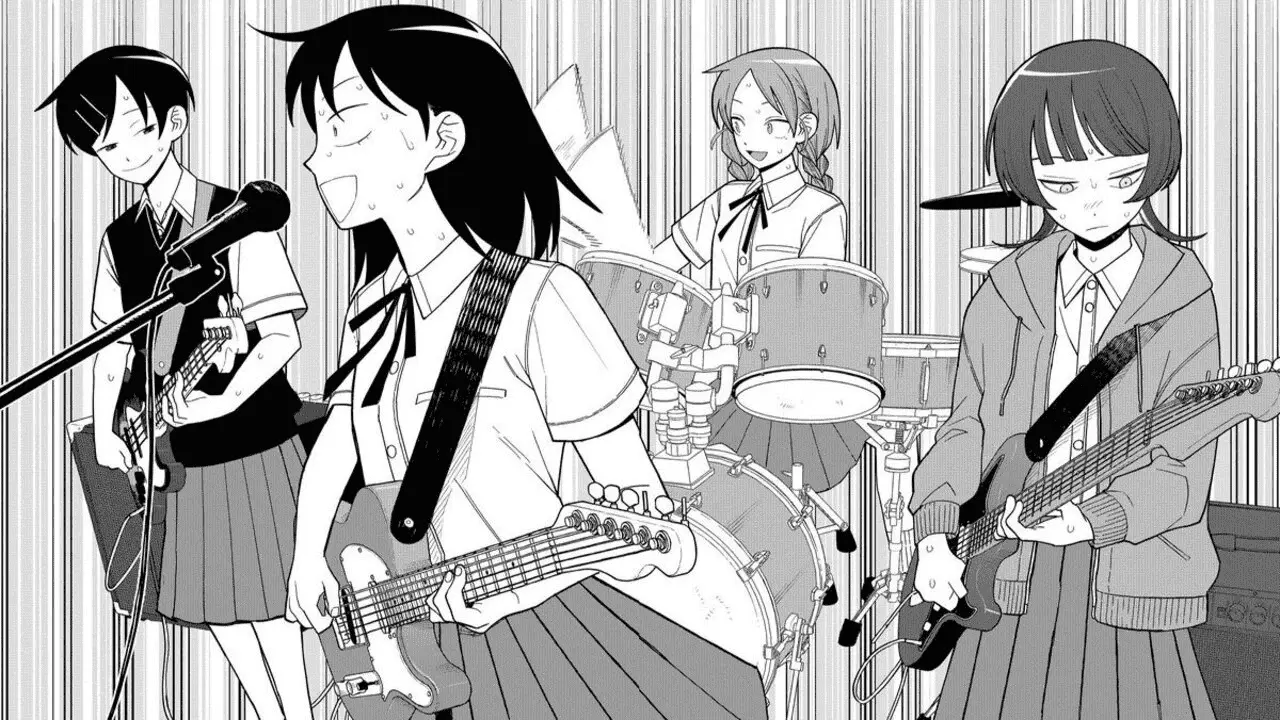
This brings us to one of the main themes of the series–Japanese rock music.
As much as I love it, I feel that Girl Meets Rock! will feel better as an anime because of how integral music is to the experience. From learning to play instruments for the first time to singing the songs you loved in your childhood from your soul–every interaction with music is special and tender. Especially the songs that come up right after a particularly gut-wrenching backstory; they feel like a stab straight to your heart. And the best way to enjoy it will be to listen to the songs while the chapters go on.
Once you get a hang of the music that’s in the manga, it’s hard to go back. Bands like BUMP OF CHICKEN, andymori, Zazen Boys, Hump Back, and ELLEGARDEN will become a part of your daily playlist. And the more you listen to them, the more you will be able to relate to the characters on the pages and feel what they are feeling. The way this series joins the audio experience with a visual media like manga is truly unique and should be celebrated.
Should you read “Girl Meets Rock!”?
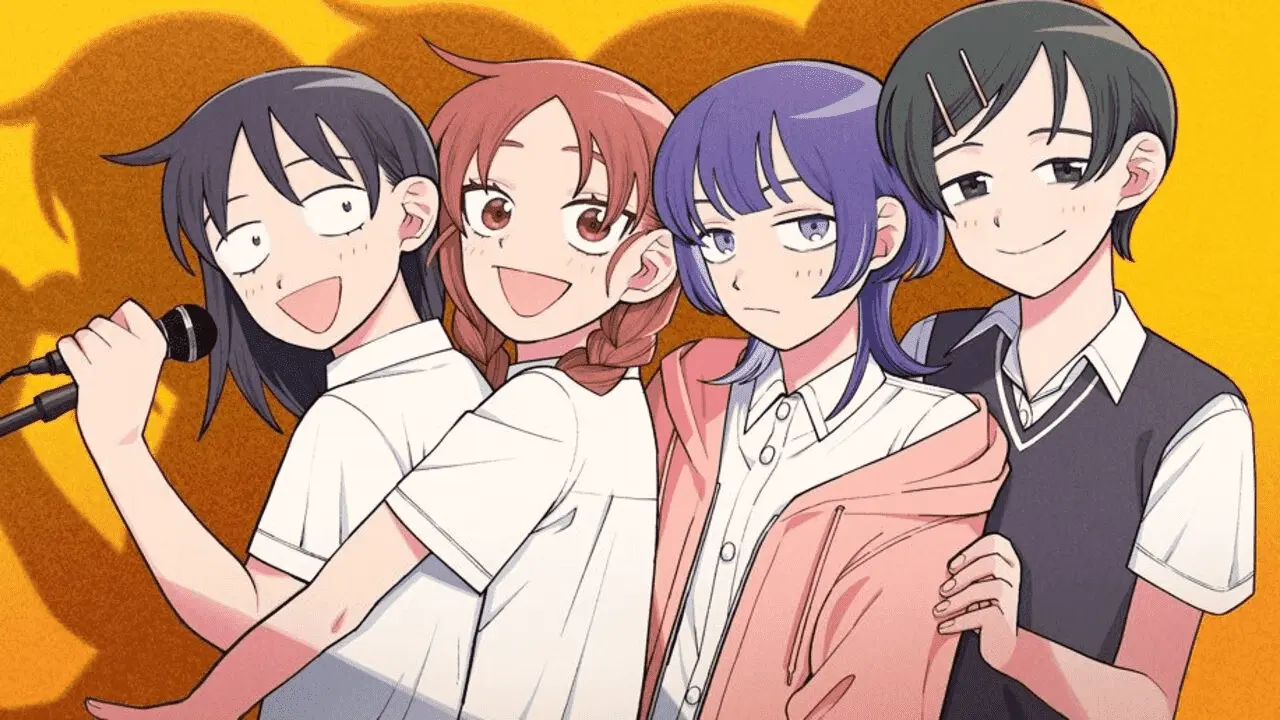
The easy answer to this question would be: yes. Although I did mention before that Girl Meets Rock! will work better as an anime because of its musical theme, it’s hard to imagine it will happen soon because of all the copyright which will be involved regarding the songs.
However, the manga’s storytelling and character development is phenomenal, and it would be a shame if you miss this charming story of a girl and her friends getting into rock music for the first time. It’s especially poignant if you, yourself, are standing on the brink of adulthood or have gone through similar experiences as the characters. In the end, you can’t help but fall in love with the manga!
Who is the author of “Girl Meets Rock”!?
The original Girl Meets Rock! manga is created by Kuwahali. It received a remake version (the one we are talking about) with illustrations by Tetsuo Ideuchi, which is still ongoing.
Where can I read “Girl Meets Rock”!?
You can read the manga digitally in English on the Manga Plus platform. Seven Seas Entertainment is set to release the collected volumes of the series in English.