
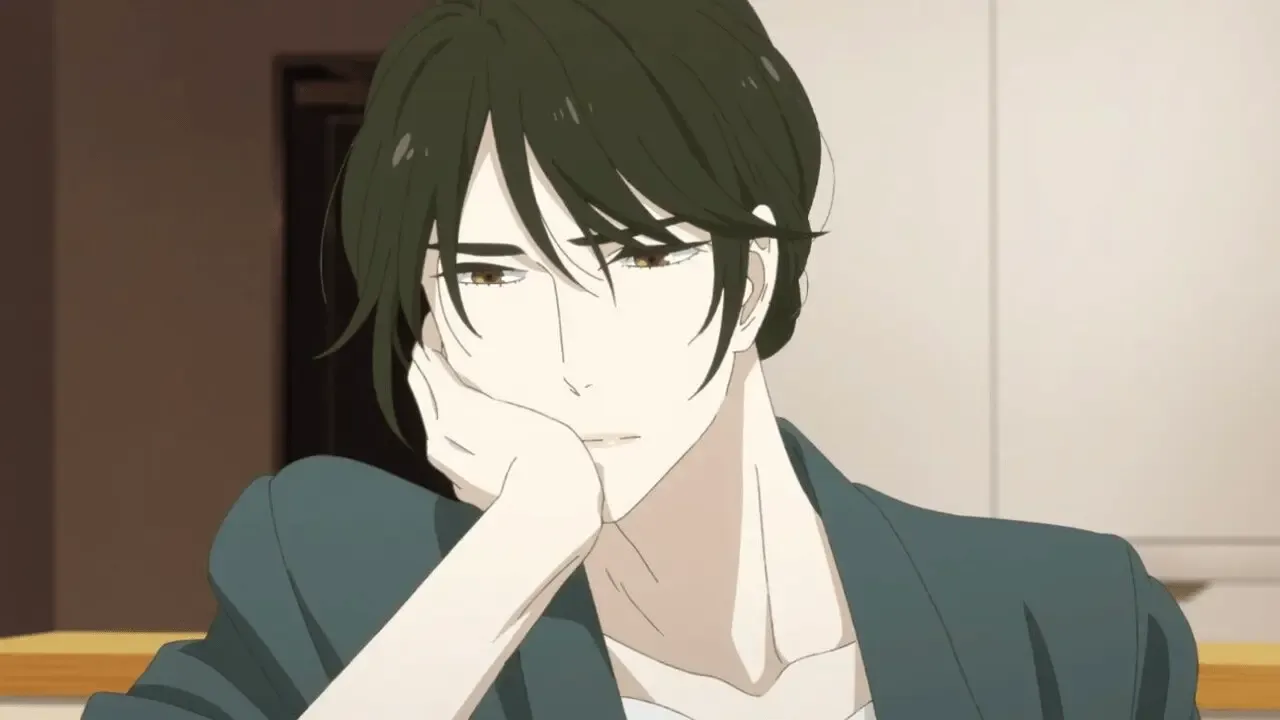
This beautifully written Josei series is one of the most underrated gems of the Winter 2026 anime season.
When the current Winter 2026 anime season began, like most fans, I was also looking forward to Jujutsu Kaisen, Frieren, Oshi no Ko, and other big names to return. To my surprise, a new Josei anime titled “Journal with Witch” (Ikoku Nikki) became the show that I eagerly count down the days to every week. Based on Tomoko Yamashita’s manga series, this anime has made it to the list of one of my favourite series of all time with just a few episodes.
Unlike many of the more popular returning titles, Journal with Witch begins with a very simple and realistic premise. A 15-year-old girl named Asa starts living with her mother’s estranged sister, Makio, after both of her parents pass away in an accident.
But the magic of this title doesn’t lie in its setting, it instead settles in the feelings it manages to invoke in your heart despite its apparent normalcy. A story about love, hate, grief, anger, and all the uncomfortable feelings we bottle up every day; Journal with Witch is a show for people who like to do some introspection every once in a while.
Asa and Makio are a study in harmonious contrast
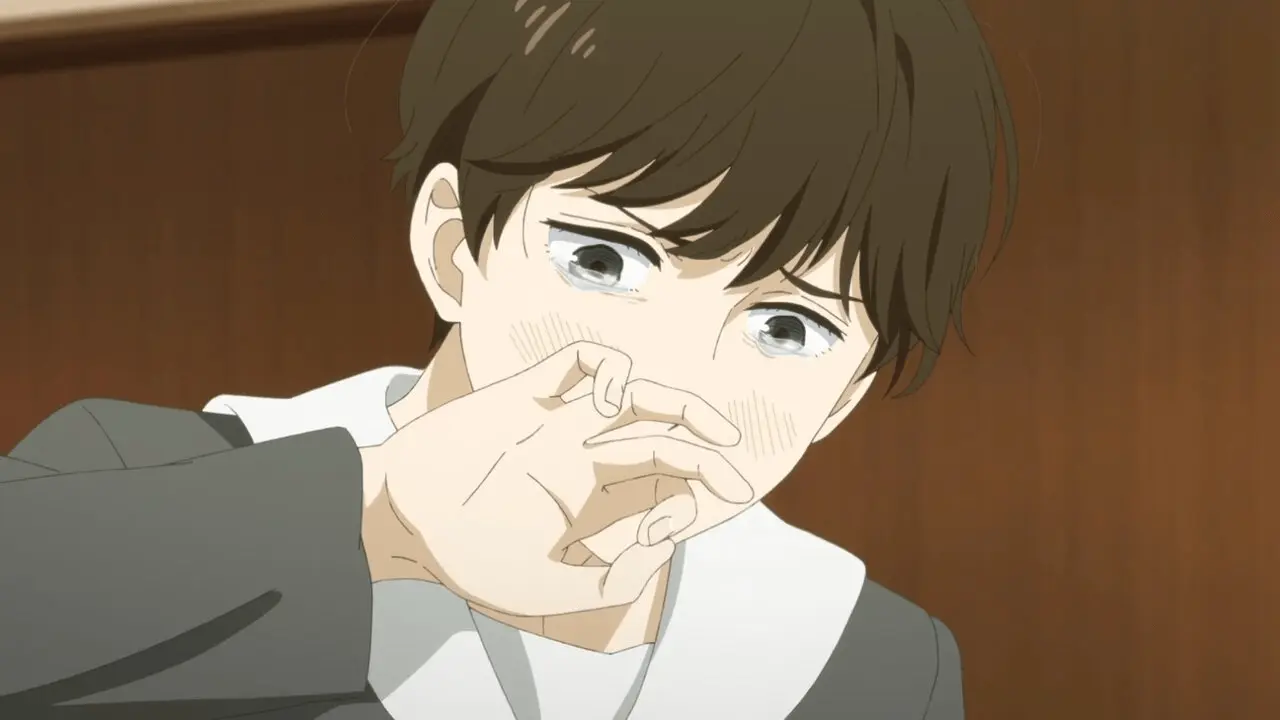
When we first meet them, Asa and Makio seem to be on the same boat despite their 20 year age difference. Asa just lost both her parents in a tragic accident, and Makio just lost her only sister. However, we soon discover that unlike Asa, who is shell-shocked by the suddenness of the tragedy, Makio actually hated her sister, Minori. Despite that, the introverted and reclusive Makio decides to take Asa home with her when it becomes apparent at the funeral that none of the other family members actually want to take up that task.
Although they don’t know each other due to Makio’s estrangement with Minori, Asa agrees to live with her. And this is how the story of a niece, struggling to come to terms with her loss, and her aunt, trying to work through her own issues while being in charge of another human being for the first time, begins.
We learn that Makio is an extremely reclusive author who spends most of her time holed up in a room trying to further her stories. On the other hand, Asa is a bright child despite her devastating loss. She struggles with her grief and Makio tries to help her despite the awkwardness. She tells Asa to keep a journal, which might help her manage her day-to-day feelings better.
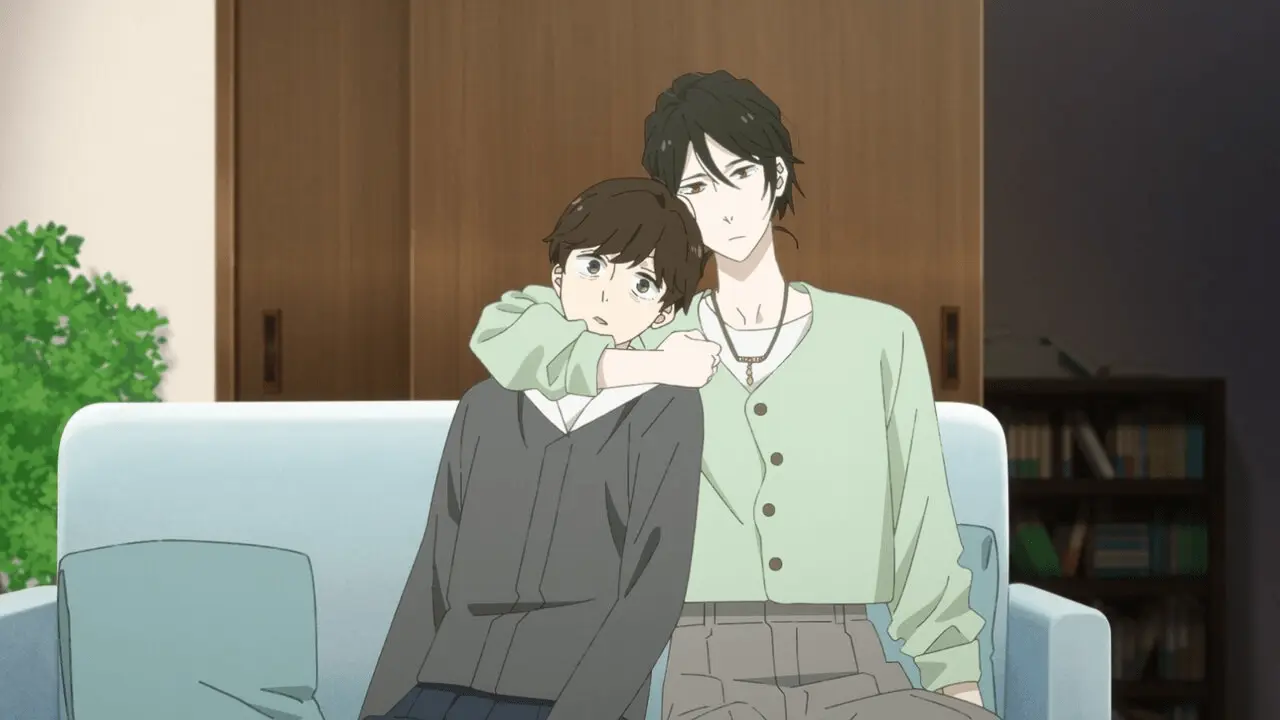
The anime portrays their problems in a touchingly realistic way. When Makio fumbles her new parental role, Asa is quick to try to understand and forgive her. She helps her awkward aunt with household chores like cooking and cleaning, almost taking up the role of an adult in some situations. However, when the devastating waves of grief strike her, Makio is always there to remind her that her feelings are valid and nobody should tell her otherwise. She apologises for her mistakes and tries to do better, while holding a safe space for Asa to grieve the way she wants to. Both women find refuge in each other despite their contrasting personalities and contradicting relationship with Minori. Asa, being a teenager, understands the concept of messing up sometimes. While Makio, an adult, tries her best to give Asa the support to grow, something she seldom had while growing up.
A journal with grief
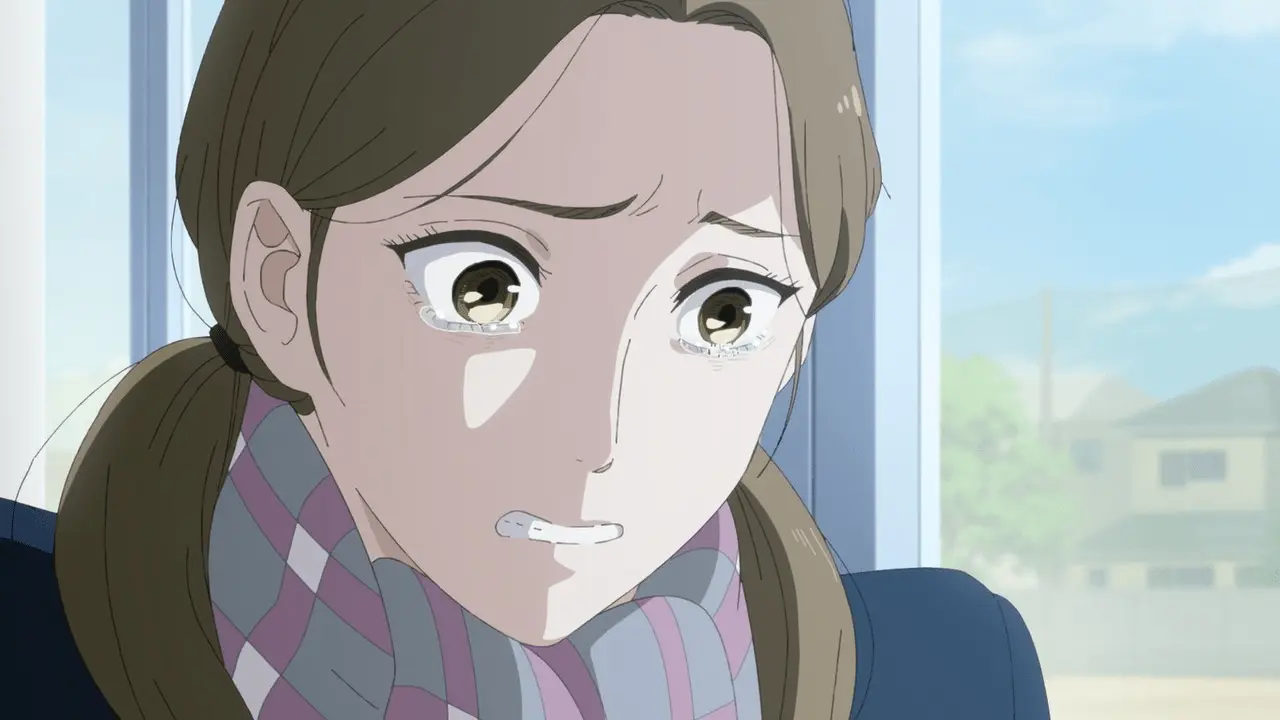
Loss and grief are the main themes of the series. They are more obviously seen in the character of Asa, who just lost her parents to a catastrophic accident. We see her going through the stages of grief. It starts with denial, when she can’t properly wrap her head around the fact that her parents are gone. Anger soon follows, when she lashes out at her best friend for accidentally letting everyone in her class know about her parents’ deaths. She often tries to bargain with her loss, avoiding it by doing mundane chores and not focusing on what has really happened.
It leads to depression, as she sees her mother’s face while trying to choose a new club activity and breaks down. But soon, they all start to mix together, and we understand that grief is not a constant oppressive entity, but something you grow around, holding the hands of the people who love you, while also remembering what you have lost.
Makio, on the other hand, goes through grief differently. She often surprises herself about how little sadness she feels at the passing of her elder sister. She only remembers how Minori used to belittle her, her interests, personality, and even her career choice. We understand that a big reason why she became a novelist in the first place was due to Minori herself. Despite trying her best to shake off Minori’s overwhelming shadow all her life, her sister’s influence in everything she still does is undeniable.
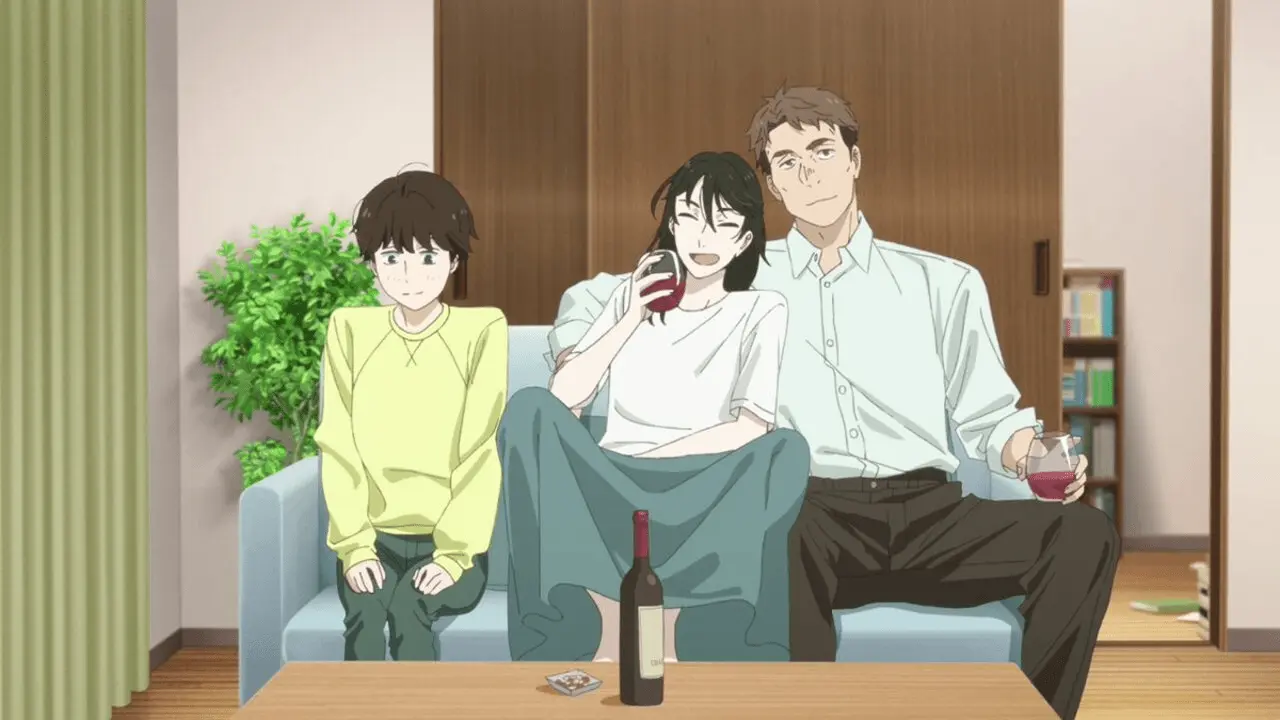
This hatred towards Minori also results in Makio telling Asa that she might never be able to love her, as she was someone who was loved by Minori. A love Makio never got to have. In a way it feels that unknowingly, Makio is grieving her sister. Not the sister that made her life a living hell while growing up, but a sister with nothing but love in her heart. She doesn’t grieve for the Minori that she grew up with, but the one Asa grew up with. A strict yet loving woman who was a positive influence in her life. Although she doesn’t tell Asa why she hates her mother, Makio struggles with her own insecurities, which were mostly cursed gifts from her sister.
Even with her complicated history with her sister, Makio tries to be a responsible adult for Asa. She gives her the freedom to grieve in her own way while still supporting and guiding her to the best of her abilities. Makio’s friends, especially her ex-boyfriend Kasamachi, become a big part of this journey. He understands Makio’s need for solitude while still watching over both her and Asa. We understand that although Asa is technically the child here, Makio never really grew out of her traumatic childhood experiences with her condescending sister. But such is the reality of life, where nothing is as black and white as fiction often portrays it.
Why you should watch this anime
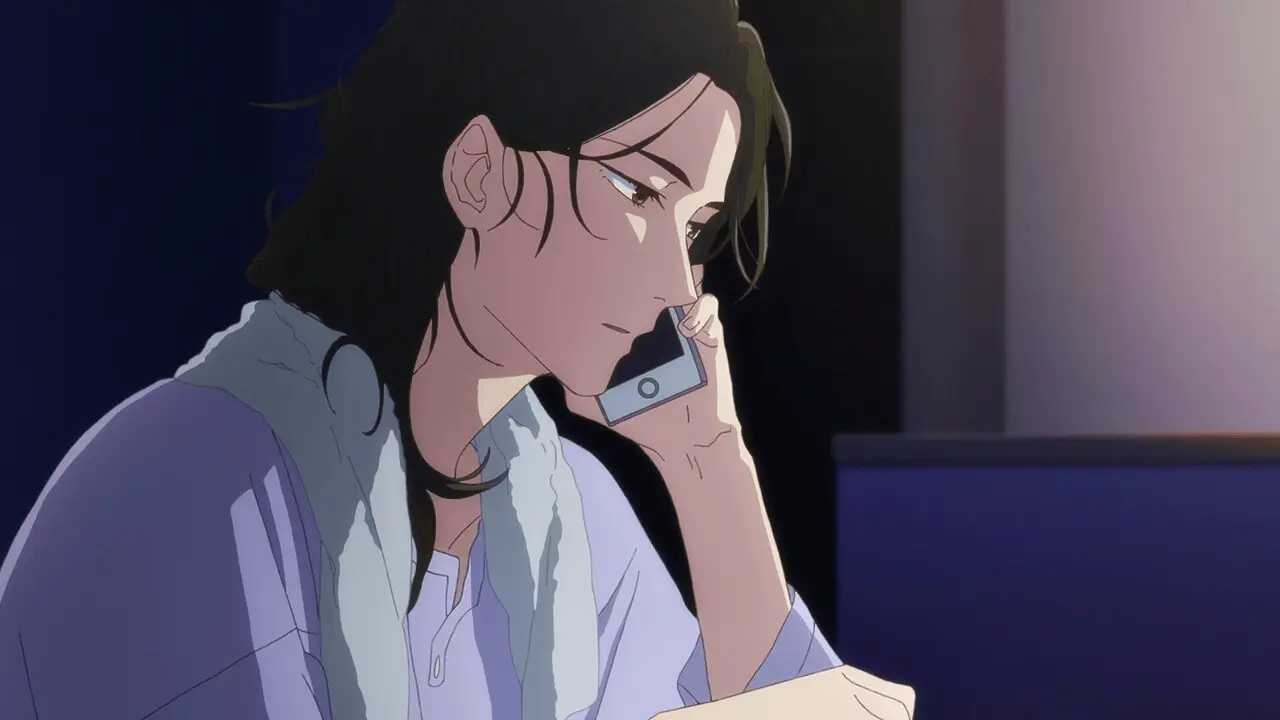
It is not often that you get to see a piece of media that is as simple yet as profound as Journal with Witch. It doesn’t use any tearjerking moments or any adrenaline filled scenes to invoke feelings in you. It only quietly urges you to bear testament to a realistic story about a woman and a girl whose lives become tangled after a tragic crash.
At first it seems as if Makio, with her solitary and forgetful nature, isn’t mature enough to take care of Asa. But soon we see that with the help of friends and some other people, Makio manages to be a source of safety and inspiration for Asa. Although she struggles with her feelings about Minori, Makio never takes them out on Asa. The scenes from Minori and Makio’s childhood give us a glimpse into the psyche of the 35-year-old author who is stuck in the past in many ways.
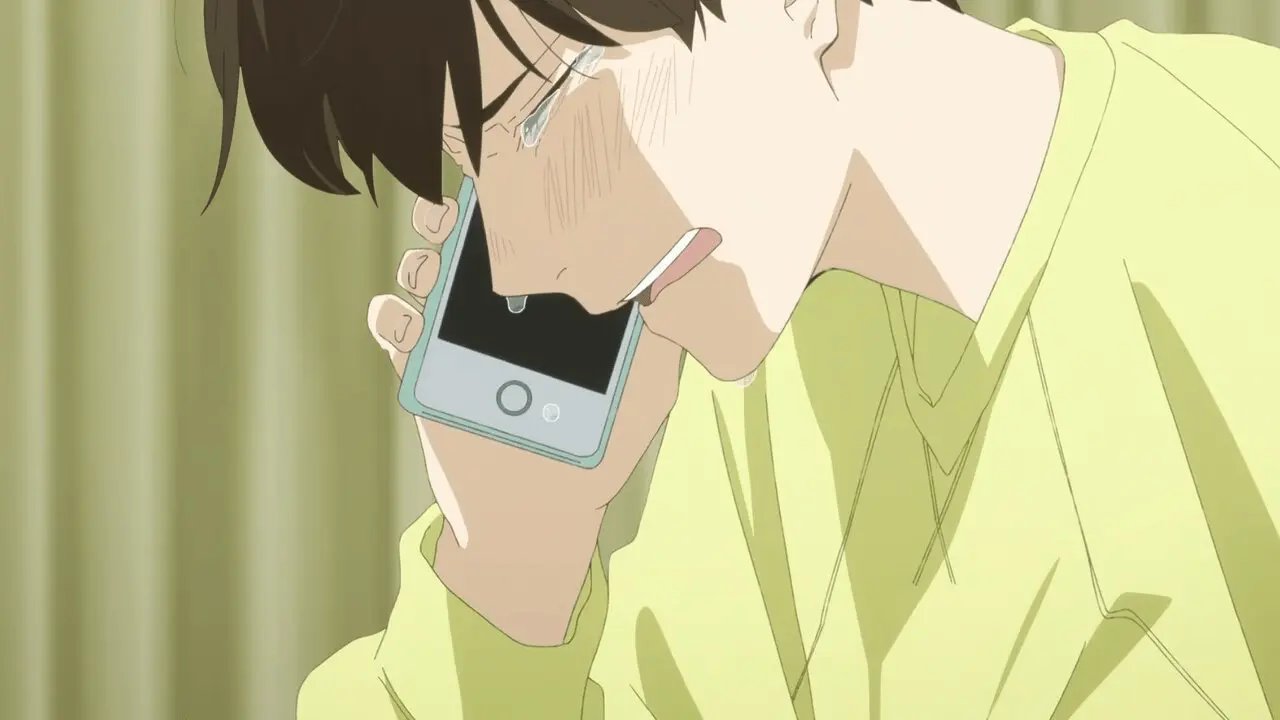
As time passes by, Makio starts to understand why Asa was so fond of Minori. Even though she was not a great sister, Minori was trying to be a good mother for Asa. On the other hand, Asa starts to realise that her mother might not have been a perfect person and sympathises with Makio’s complicated feelings. Makio gives Asa a comfortable place to grieve without any judgement.
If you watch anime for the action and fast-paced storytelling, then Journal with Witch might not be your cup of tea. Although it has beautiful animation, the main focus is the flowing plot. It asks you to sit down with the memories and emotions you might have buried deep within, offering an introspective look at grief and healing. It doesn’t forcefully poke your heart to make you cry, but gently caresses the tender bruises and remind you that time and love can heal every wound, eventually. With just a few episodes, the series has captured the heart of the audience and I for one, can’t wait to see Asa and Makio’s journey towards a shared beautiful future.