
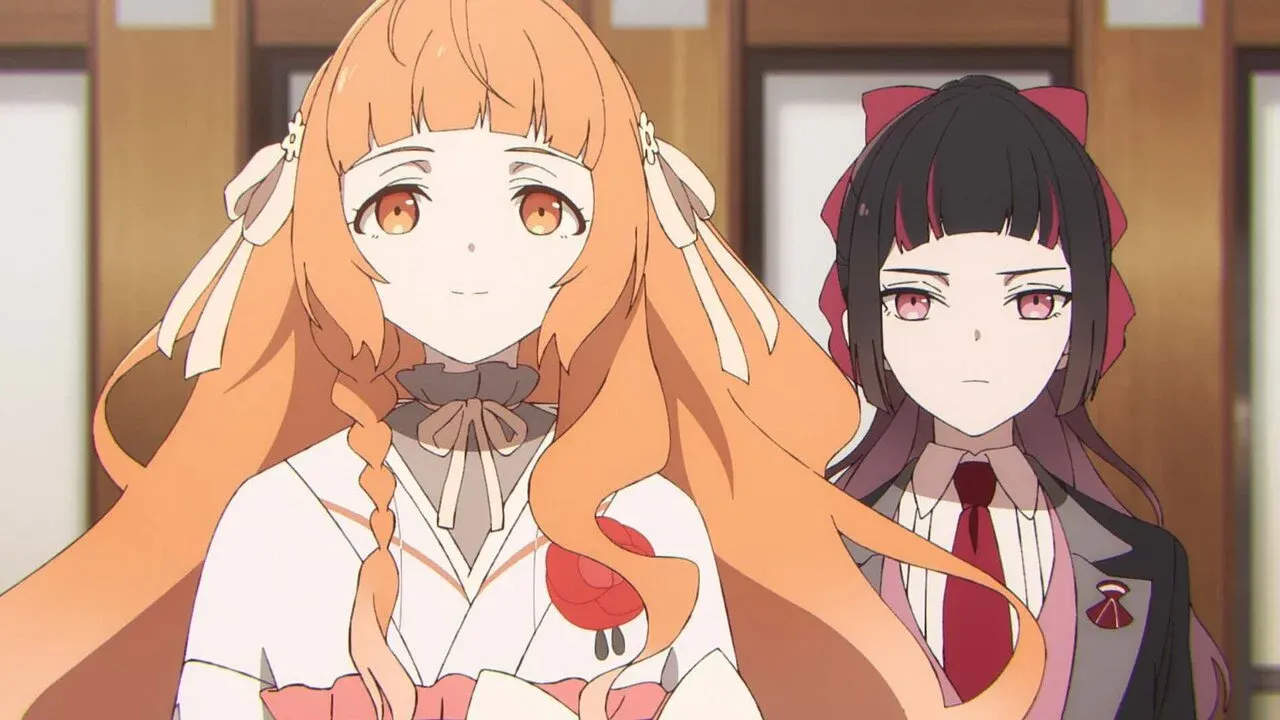
The series uses the humanisation of nature to make us feel more empathetic towards their plea.
The concept of nature in contemporary anime and manga is vast, nuanced, and oftentimes uncomfortably realistic. However, it can feel a bit redundant to always look at nature as an ever-existing, non-living entity. But the series we are going to talk about in this article has taken the personification of nature to a different level, with deeply moving characters who have their own lives and problems, but are still haunted by humans constantly trying to use their powers for their own selfish gain.
Get ready to take a deep dive into “Agents of the Four Seasons: Dance of Spring” the first season of the anime based on the first part of Kana Akatsuki’s novel series; a show which transforms nature into tangible, living, breathing human beings–each with their own mind, life, and trauma. However, the show points out that even having the most primal and sacred natural powers can’t make you immune to the cruelty of humankind.
The Humanisation of Nature in Agents of the Four Seasons
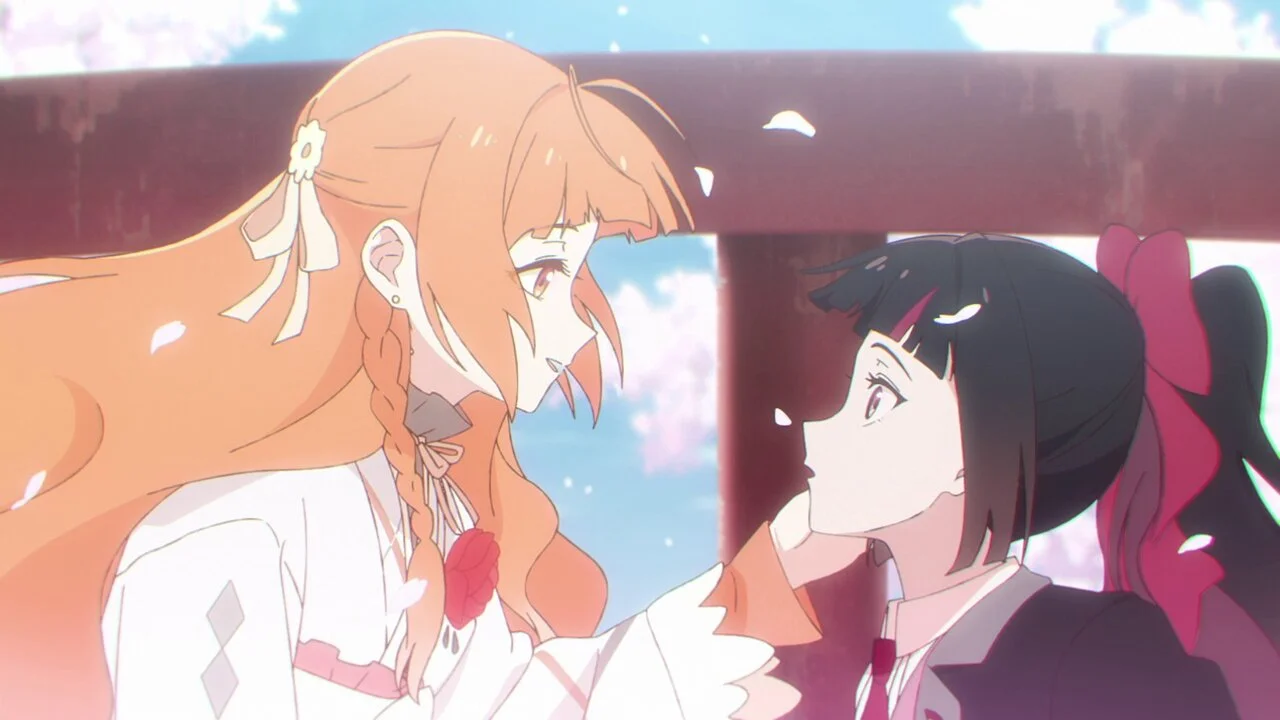
Before we analyse the series, we have to take a look at the premise.
Agents of the Four Seasons begins with describing the world we are witnessing. In the beginning, there was only Winter. When he felt lonely, he created Spring. Later at the wish of Mother Earth, he created Autumn and Summer, starting the cycle of the four seasons.
However, there came a time when the primordial seasons wanted to entrust their duty to the creatures of Mother Earth, but none of them were successful. Humanity came to the rescue of the despaired seasons, and offered to take the duty of perpetuating the cycle every year. The seasons happily granted their powers to a small group of individuals, who later came to be known as the Agents of the Four Seasons. We also learn that these agents are humans, who are entrusted with the power to bring new seasons when the old agent dies.
In the series, the Agent of Winter holds the power of Life Coagulation, with which he can create ice and freeze objects and people. The Agent of Spring has the power of Life Acceleration, with which she can manipulate the growth of vegetation. The Agent of Summer possesses Life Operation, which allows her to talk to and control animals. Finally, the Agent of Autumn, who possesses Life Putrefaction, which gives her the ability to absorb or give life force to living creatures, which can even bring death.
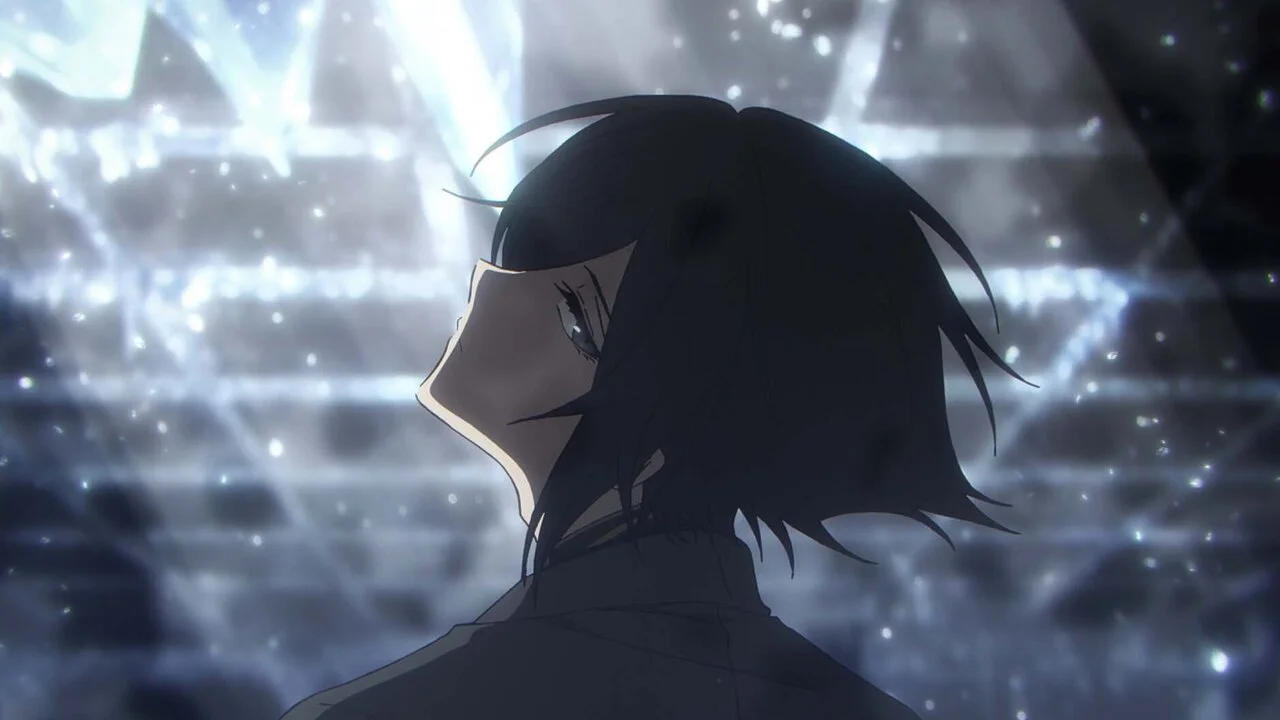
With the amount of power they possess, especially the Agents of Autumn and Winter, they can be dangerous to not only themselves but also for other people. The use of their power is constantly monitored and controlled by their respective villages. The terrorists, known as Insurgents, want to use them to create weapons of mass destruction and achieve their twisted goals. The ones who kidnapped Hinagiku for a decade forced her to use her power to grow massive amounts of poison plants which can be used in bio terrorism.
The Agents and their lives hold up a mirror to our own reality and the way we treat nature. Abusing its resources, driving animals into extinction, and polluting the earth beyond measure. But it’s not just about how we treat nature. Other than their Guards, the Agents of the Seasons are treated like expendable tools by most other people. The Agents are not treated as people, but merely replaceable vessels for the seasons.
Unfortunately, the series also reflects how humans who have immense amounts of power treat other humans who may be weaker, using and abusing them like resources to achieve their goals and discarding them without a thought when their purpose is fulfilled.
Why we empathise with the Agents of the Four Seasons
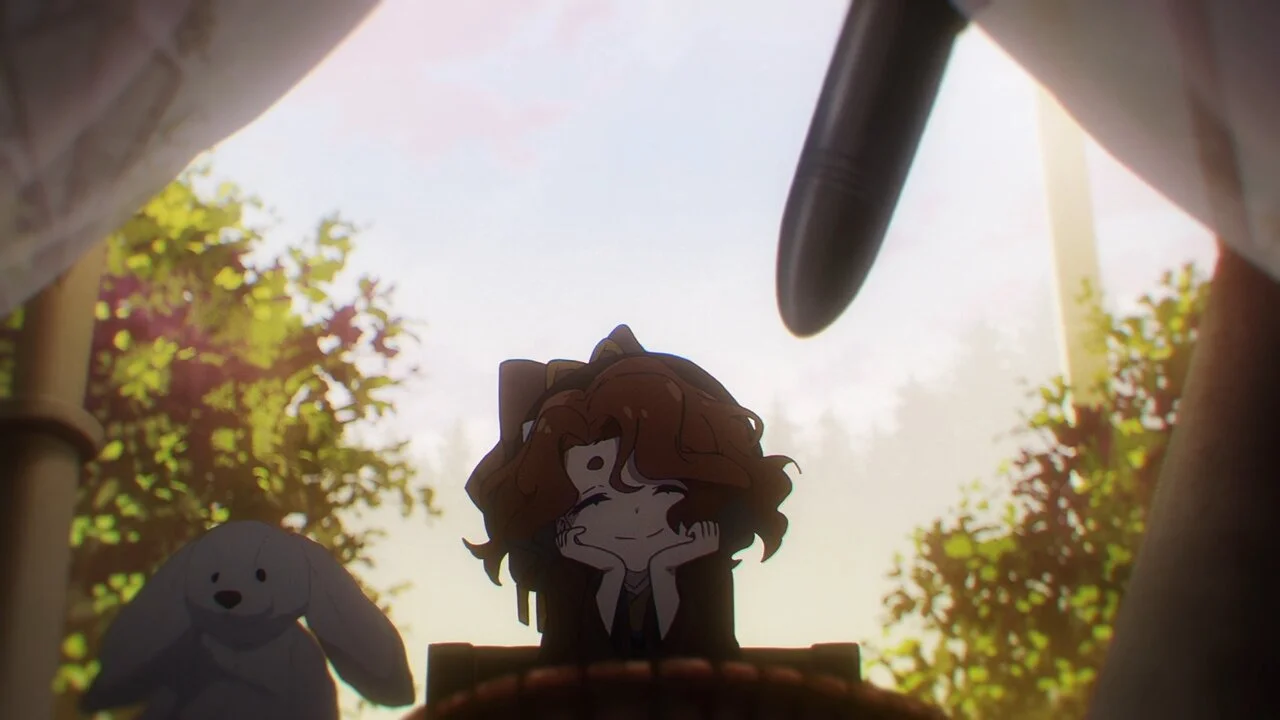
Packaging the concept of man's constant war on nature and natural resources into an emotional story is not an easy task, but Agents of the Four Seasons does it successfully. From the very first episode, the Agents are under attack from the Insurgents. They have to travel cautiously lest they are ambushed and even be wary of their own people for fear of one of them being a traitor.
But it doesn’t end there. Even when they are in a “safe” environment, the Agents are used as a means to bring forth their respective seasons by their villages. Our heart hurts when we see Hinagiku doubling over from exhaustion after being forced to bring Spring to several regions in rapid succession. We feel frustrated when Sakura begs the Spring village to not stop looking for Hinagiku but is faced only with cold indifference and cruel refusal. In the end, the Agents only have their Guards by their sides and vice versa.
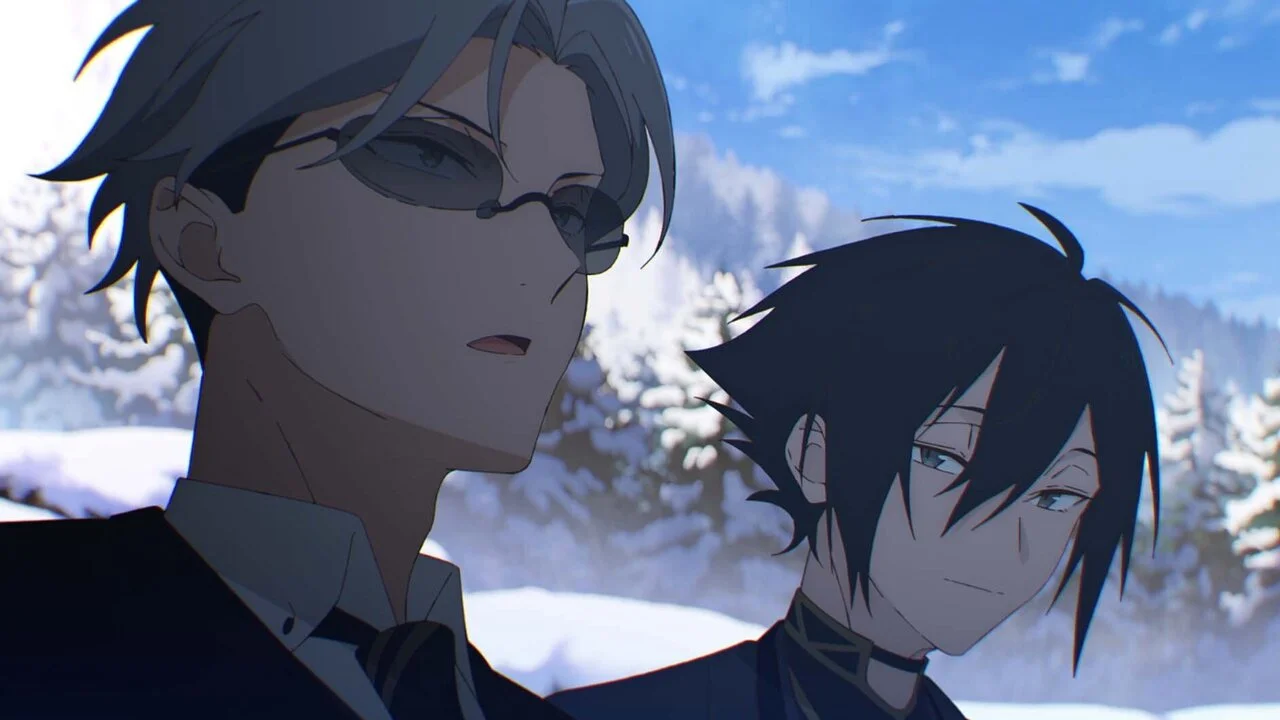
It almost feels like a futile struggle as the Insurgents are so powerful and despite having the power of nature by their sides, the Agents seem fragile. This is because they are only children. Three of the Agents in the series are in their teens, and one is only eight years old. Seeing these young people being faced with so much trauma on a regular basis boils our blood and makes us feel sad for them.
But this empathy also makes us rejoice in their smallest victories. When we see a sign of reconciliation between Hinagiku and Sakura with Rosei and Itecho, we feel happy for them. When we see them take on the Insurgents and win, it makes us feel vindicated. The story successfully makes us feel at one with nature by personifying it into innocent children trying to make it in a war torn world where they’re the hottest commodity.
Why you should watch Agents of the Four Seasons
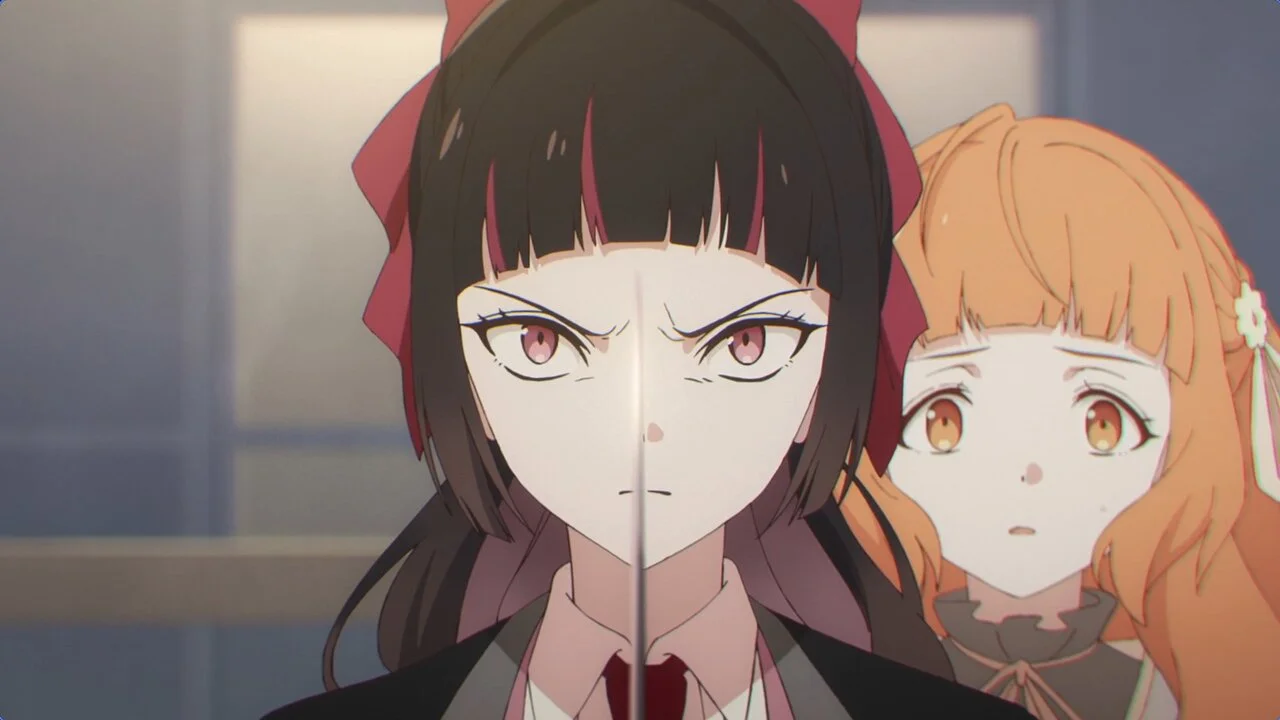
The series is great at pretending to be wholesome and hiding darkness under every fantastical fold. Hinagiku bringing Spring or Rosei fighting terrorists with his power of Winter is breathtaking. But the reality of them struggling to survive in a cruel world mars the delight we feel. Every time we see Rosei or Itecho being happy at the thought of meeting the girls they love after long and painful years, we are reminded of the shadow that constantly haunts them and the very real possibility of them never being able to reconcile again.
However, none of this takes away from the beauty of the series. Every frame is thoughtfully painted with care to perfectly execute the emotions the characters feel. But it also goes without saying that the amount of violence and trauma that the series delivers in every episode can be hard for a lot of people. Despite the realistic depictions, their constant war can feel exhausting at times.
Agents of the Four Seasons is not a series for everyone, and that’s okay because it doesn’t try to be. It only tries to tell the story of humanity constantly crossing the line with nature in a way that many people can relate to, and it passes with flying colours in that task.